Scherm­afbeelding 2026 08 03 om 13.04.57
People

The people behind the science.

ORFeus brings together 15 research groups, 11 industry and research partners and 15 international advisers, working to one shared mission.
Principal investigators 
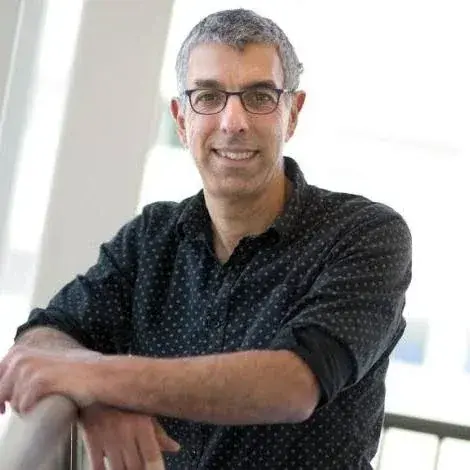
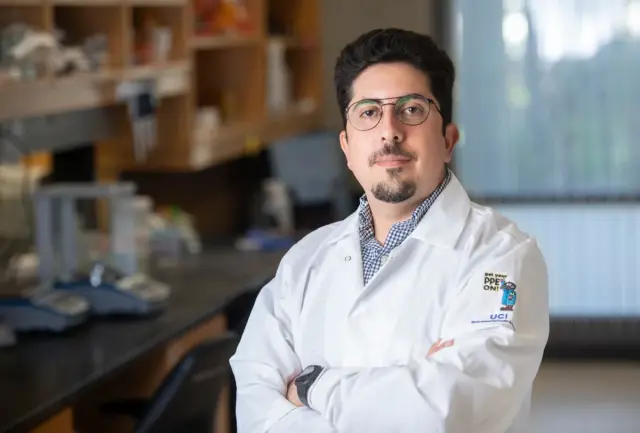
Pi reuven agami

Reuven Agami

Netherlands Cancer Institute (NKI-AVL)

Oncogenomics

Amsterdam, Netherlands

Develops genetic and genomic tools to understand cancer, with a focus on how translation goes wrong in tumour cells and what that means for immunity.

Professor of Oncogenomics

Netherlands Cancer Institute (NKI-AVL) · Division of Oncogenomics · Amsterdam, Netherlands

Reuven Agami is Professor of Oncogenomics at the Netherlands Cancer Institute in Amsterdam. He is known for developing widely used genetic tools for studying gene function, including the pSUPER RNA interference vector and miRNA expression vectors. His lab has long focused on the regulatory logic of cancer, from microRNAs and non-coding RNAs to the mechanisms that control gene expression in tumour cells. More recently, his group has shown that mRNA translation in cancer cells is far more disordered than in healthy cells, with amino acid deprivation driving codon reassignment and the production of aberrant proteins he has termed “substitutants.” In ORFeus, he supervises DC14 and co-supervises DC13.
The Agami group studies how cancer cells manipulate gene expression, with a growing focus on translation. A central finding is that tumour cells under metabolic stress misread the genetic code, producing mutant-like proteins from normal mRNA sequences. The lab investigates how these aberrant proteins are processed and displayed to the immune system, and whether they could serve as targets for immunotherapy. The group uses genome-wide CRISPR screens, ribosome profiling, and functional genomics in cancer cell lines and patient-derived models.
Pi mar alba

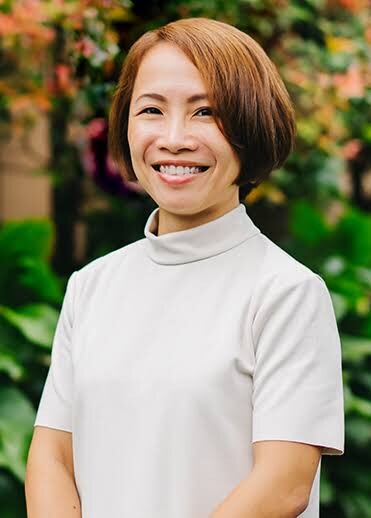
M. Mar Albà

Hospital del Mar Research Institute (HMRIB-CERCA)

Evolutionary Genomics

Barcelona, Spain

Uses evolutionary genomics and transcriptomics to study the origins of new genes and the role of microproteins as tumour-specific antigens.

ICREA Research Professor

Hospital del Mar Research Institute (HMRIB-CERCA) · Evolutionary Genomics · Barcelona, Spain

M. Mar Albà is an ICREA Research Professor at the Hospital del Mar Research Institute in Barcelona. She trained in biochemistry and bioinformatics and has spent much of her career studying how new genes arise and evolve. Her group was among the first to systematically investigate de novo gene birth from previously non-coding sequences, and she has contributed key insights into how evolutionary conservation can be used to predict which microproteins are likely to be functional. Her recent work has expanded into the role of microproteins as tumour-specific antigens. In ORFeus, she supervises DC8 and co-supervises DC7.

Mar’s group combines evolutionary genomics, transcriptomics, and ribosome profiling to study the origins and functions of new genes and microproteins. The lab uses phylostratigraphy and cross-species comparative analysis to trace when microproteins first appeared in evolution and to assess which ones show signs of functional constraint. A current focus is on microproteins that are expressed specifically in tumour cells and may serve as cancer-specific antigens, connecting evolutionary biology directly to translational oncology.

Pi julie aspden

Julie Aspden

University of Leeds

Biological Sciences

Leeds, UK

Studies how ribosomes translate long non-coding RNAs, and what controls that process during development.

Professor of RNA Biology

University of Leeds · Faculty of Biological Sciences · Leeds, UK

Julie Aspden is Professor of RNA Biology at the University of Leeds, where she has led her own research group since 2015. She read Biochemistry at The Queen’s College, Oxford, and completed her PhD at the University of Cambridge on the initiation of mRNA translation. Her first postdoc, at the University of California, Berkeley, focused on alternative mRNA splicing in Drosophila, and her second, at the University of Sussex, defined novel regions of translation. She is the Principal Investigator of the RiboCode project on specialized ribosomes and co-founded Leeds Omics, a cross-faculty initiative in omics research. Her work is funded by the MRC, BBSRC, and the Royal Society. In ORFeus, she supervises DC7 and co-supervises DC9.

Julie’s group studies how RNA is regulated and translated into protein. A central question is how events in the nucleus, such as splicing and RNA-protein interactions, shape what happens in the cytoplasm when ribosomes encounter the message. The group uses ribosome profiling, including Poly-Ribo-Seq (a method Julie developed to detect novel regions of translation), alongside molecular biology and genetics in both Drosophila and mammalian systems. Current work focuses on specialized ribosomes, the translation of long non-coding RNAs, and how disruptions to translational regulation contribute to disease.

Pi pasha baranov

Pasha Baranov

University College Cork

Biochemistry and Cell Biology

Cork, Ireland

Studies how genetic variants affect translation, using large-scale ribosome profiling to map the impact of mutations on protein output.

Professor of Biomolecular Informatics

University College Cork · School of Biochemistry and Cell Biology · Cork, Ireland

Pasha Baranov is Professor of Biomolecular Informatics at University College Cork and a Member of the Royal Irish Academy. A chemist by training, he completed his PhD at Lomonosov Moscow State University and the Max Planck Institute for Molecular Genetics, studying ribosomal RNA topology. After several years at the University of Utah, where he pioneered comparative sequence analysis of genes that use alternative decoding mechanisms such as ribosomal frameshifting, he established his lab at UCC in 2007. He is co-developer of RiboSeq.Org, the main community platform for ribosome profiling data analysis and visualization, and has been a Wellcome Trust Investigator. In ORFeus, he supervises DC12 and co-supervises DC3.

Pasha’s group studies the diversity of genetic decoding and the regulation of protein synthesis. The lab is known for its work on non-canonical translation events, including ribosomal frameshifting, stop codon readthrough, and non-AUG initiation. A major focus is developing and maintaining computational tools and data resources for the ribosome profiling community, including the RiboSeq.Org suite (GWIPS-viz, Trips-Viz, RiboGalaxy, and the Ribosome Data Portal). The group also studies how genetic variants affect translation and how these effects may be relevant in disease.

Pi michal bassani sternberg

Michal Bassani-Sternberg

University of Lausanne

Oncology

Lausanne, Switzerland

Studies how cancer cells display cryptic peptides to the immune system, identifying potential targets for immunotherapy and vaccines.

Associate Professor

University of Lausanne (UNIL) and Ludwig Institute for Cancer Research · Agora Cancer Research Centre · Lausanne, Switzerland

Michal Bassani-Sternberg is an Associate Professor in the Department of Oncology at the University of Lausanne and an Assistant Member of the Ludwig Institute for Cancer Research, Lausanne Branch. She heads the clinical mass spectrometry unit at the CHUV-UNIL Center of Experimental Therapeutics and leads the Hi-TIDe group (Human Integrated Tumor Immunology Discovery Engine) at the Agora Cancer Research Centre. Her group is a world leader in immunopeptidomics: the use of mass spectrometry to directly identify the peptides displayed on tumour cells for immune recognition. She developed the NeoDisc pipeline for personalized neoantigen identification and her work is central to several ongoing clinical vaccine trials. In ORFeus, she supervises DC15 and co-supervises DC14.

The Bassani-Sternberg lab develops proteogenomic and mass-spectrometry-based approaches to identify clinically relevant cancer-specific HLA ligands. The group focuses on direct, unbiased identification of HLA-presented peptides from clinical tumour samples, including neoantigens, cryptic ORF-derived peptides, and post-translationally modified peptides. A key tool is NeoDiscMS, a real-time mass spectrometry acquisition method designed to increase the sensitivity of neoantigen detection from scarce patient material. The lab integrates immunopeptidomics with genomics and machine learning to prioritize targets for personalized cancer immunotherapy and vaccine design.

Pi jyoti choudhary

Jyoti Choudhary

Institute of Cancer Research

Cancer Biology

London, UK

Profiles how microproteins behave during bacterial infection, using advanced mass spectrometry to map host-pathogen interactions.

Professor of Functional Proteomics

Institute of Cancer Research · Division of Cell and Molecular Biology · London, UK

Jyoti Choudhary is Professor of Functional Proteomics and Head of the Proteomics Core Facility at the Institute of Cancer Research in London. She received her PhD in biological mass spectrometry from Imperial College London under Professor Howard Morris. Her early work focused on proteogenomics, where she used mass spectrometry to refine genome annotations in mammals and in the malaria parasite. She moved to the ICR in 2017, and is also a visiting scientist at Imperial College London and the Wellcome Sanger Institute. In ORFeus, she supervises DC4 and co-supervises DC5.

The Choudhary group applies quantitative proteomics to understand how protein networks are organized and how they are rewired during cancer progression and resistance. The lab develops novel experimental and computational mass spectrometry approaches for proteome discovery, with expertise in protein interactions, signalling, post-translational modifications, and host-pathogen biology. In ORFeus, the group brings its proteomics and proteogenomics expertise to the challenge of detecting microproteins in the context of bacterial infection.

Pi simon elsasser

Simon Elsässer

University of Freiburg

Integrative Biological Signalling Studies

Freiburg, Germany

Develops chemical biology methods to tag, capture and study microproteins, with a focus on secreted proteins and how they mediate cell-to-cell communication.

Alexander von Humboldt Professor and Carl Zeiss Endowed Professor of Synthetic Biology

University of Freiburg · Centre for Integrative Biological Signalling Studies (CIBSS) · Freiburg, Germany

Simon Elsässer is one of the world’s leading researchers in synthetic biology and epigenetics. He completed his doctorate at Rockefeller University in New York in the lab of C. David Allis, a pioneer of the histone code, and did his postdoc at the University of Cambridge. He established his own group at the Karolinska Institutet in Stockholm in 2015, where he was Associate Professor until 2025. He moved to the University of Freiburg in October 2025 as Alexander von Humboldt Professor and Carl Zeiss Endowed Professor of Synthetic Biology, with five million euros of Humboldt funding to strengthen Freiburg’s “Signals of Life” research focus. He is a member of the CIBSS Cluster of Excellence. In ORFeus, he supervises DC5 and co-supervises DC8.

Simon’s group develops innovative methods in synthetic biology and chemical biology to study how cells interpret their genetic and epigenetic information. The lab has pioneered approaches for incorporating non-canonical amino acids into proteins in living mammalian cells, enabling precise labelling, crosslinking, and detection of proteins in their natural cellular environment. A recent focus is on microprotein discovery, including a large-scale screen to identify putative microproteins from small open reading frames. In ORFeus, his chemical biology expertise is applied to capturing secreted and diffusible microproteins that conventional methods miss.

Pi uwe ohler

Uwe Ohler

Max Delbrück Center

Computational Regulatory Genomics

Berlin, Germany

Develops computational methods for regulatory genomics, including models of gene regulation and approaches to studying translation at single-molecule resolution.

Professor of Computational Regulatory Genomics

Max Delbrück Center (MDC) · Berlin Institute for Medical Systems Biology (BIMSB) · Berlin, Germany

Uwe Ohler is Professor and Group Leader at the Max Delbrück Center in Berlin, where he leads the Computational Regulatory Genomics lab at the Berlin Institute for Medical Systems Biology. He holds a joint appointment at Humboldt-Universität zu Berlin. He was awarded an ERC Advanced Grant to investigate how protein synthesis is regulated. His group was part of the international consortium that recently discovered more than 1,700 proteins in the human dark proteome, reported in Nature. He is co-leader, with Michal Bassani-Sternberg, of the proteogenomics work that identified non-canonical peptides in tumour immunopeptidomes. In ORFeus, he supervises DC2 and co-supervises DC1 and DC15.

The Ohler lab develops and applies genomics and computational approaches to understand gene regulation in eukaryotic organisms, with a growing focus on translation. The group uses machine learning to make sense of large-scale functional genomics datasets, including ribosome profiling data. Recent work includes TESLA-seq, a method for identifying regulatory regions in the human genome, and models of how 5’ untranslated regions control translation efficiency. The lab leads the DFG-funded international research training group “Dissecting and Reengineering the Regulatory Genome” with Duke University.

Pi owen rackham

Owen Rackham

University of Southampton

Biological Sciences

Southampton, UK

Builds AI models that predict which short open reading frames are translated, across species and cell types, and shares them as open tools.

Professor of Systems Biology

University of Southampton · School of Biological Sciences · Southampton, UK

Owen Rackham is Professor of Systems Biology at the University of Southampton and Theme Lead for Cell and Molecular Medicine at the Alan Turing Institute. He completed his PhD in Complexity Sciences at the University of Bristol in 2012 and was an MRC Career Development Fellow at Imperial College London. He then moved to Duke-NUS Medical School in Singapore as a Senior Research Fellow before establishing his group at Southampton in 2020. His research combines artificial intelligence with high-throughput biology to understand health and disease, with a particular focus on cell reprogramming and disease-gene association. In ORFeus, he supervises DC1 and co-supervises DC6.

Owen’s group builds computational tools that use AI and large-scale sequencing data to predict biological outcomes. The lab is known for its work on cell reprogramming, where it identifies key regulatory factors that control cell fate, and on disease-gene association using network analysis. In ORFeus, this expertise is applied to building AI models that predict which short open reading frames are genuinely translated across species and cell types. The group has recent work on making the most of ribosome profiling data for microprotein discovery, published with collaborators in the ORFeus network.

Pi danny sahtoe

Danny Sahtoe

Hubrecht Institute (KNAW)

Protein Design

Utrecht, Netherlands

Designs new protein molecules from scratch using computational methods, building tools to probe biology and target disease.

Group Leader

Hubrecht Institute (KNAW) · Utrecht, Netherlands

Danny Sahtoe leads a research group at the Hubrecht Institute in Utrecht, part of the Royal Netherlands Academy of Arts and Sciences (KNAW). He trained with David Baker at the University of Washington, where he developed expertise in computational protein design, the field recognized by Baker’s 2024 Nobel Prize in Chemistry. His work focuses on designing entirely new protein molecules from scratch for biomedical applications, including novel protein assemblies and tools for studying cellular processes. In ORFeus, he supervises DC6 and co-supervises DC10.

Danny’s group uses computational protein design (including AlphaFold3 and RoseTTAFold-based approaches) to create synthetic proteins that can selectively bind biological targets. In ORFeus, this is applied to designing binders for microproteins: once a new microprotein is identified by the network, the Sahtoe group designs synthetic molecules that bind it and can switch its activity on or off, providing a direct route from discovery to functional characterization. The lab combines computational design with biophysical validation and cellular assays.

Pi nicola ternette

Nicola Ternette

University of Dundee

Cell Signalling and Immunology

Dundee, UK

Studies how viral and human proteins are presented to the immune system, focusing on non-canonical translation in HPV-driven cancers.

Professor of Antigen Discovery

University of Dundee · School of Life Sciences · Dundee, UK

Nicola Ternette is Professor of Antigen Discovery at the University of Dundee, where she leads the Antigen Discovery Group. She studied Physics and Biochemistry at the Universities of Bonn, Greifswald, and Bochum, and completed her PhD at the Institute for Molecular and Medical Virology in Bochum on DNA vaccines for respiratory viruses. She then moved to the University of Oxford, where she specialized in HLA-associated peptidomics and the identification of viral and tumour antigens using mass spectrometry. She founded the Antigen Discovery Group in 2015 and moved it to Dundee in 2024. She is elected chair of the HUPO Immunopeptidomics Initiative. In ORFeus, she supervises DC11.

The Ternette group focuses on decoding the antigenic landscape that shapes immune recognition in infection, cancer, and autoimmunity. The lab uses high-resolution mass spectrometry to identify HLA-presented peptides and has developed deep expertise in immunopeptidomics, leveraging machine-learning-assisted algorithms and custom bioinformatics tools to uncover novel targetable antigens. Current work spans profiling immunopeptidomes in viral infection (particularly HPV-driven cancers), characterizing self-antigens in autoimmune diseases, and understanding drug-immune recognition.

Pi eivind valen

Eivind Valen

University of Oslo

Biosciences

Oslo, Norway

Mines thousands of ribosome profiling datasets to find rare translation events that standard methods miss.

Professor

University of Oslo · Department of Biosciences · Oslo, Norway

Eivind Valen is Professor at the University of Oslo, where he leads the RNA Biology and Translational Regulation group. He was previously an associate group leader at the Sars International Centre for Marine Molecular Biology in Bergen. His work sits at the intersection of computational genomics, translation biology, and method development. He is a co-developer of RiboSeq.Org, the main community platform for ribosome profiling data, and of CHOPCHOP, one of the most widely used tools for CRISPR guide RNA design. His work has been cited over 19,000 times. In ORFeus, he supervises DC3 and co-supervises DC2.

Eivind’s group develops both experimental and computational methods for studying translation. On the experimental side, the group introduced RCP-seq for mapping scanning ribosomes across the transcriptome and SMS-seq for single-molecule RNA structure analysis. On the computational side, it has built ORFik (a framework for analysing ribosome profiling data), RiboCrypt (an interactive browser for exploring that data), and tailfindr (for estimating poly-A tails from nanopore sequencing). A major current focus is aggregating thousands of public ribosome profiling datasets to detect translation events too rare or condition-specific to appear in any single experiment.

Pi petra van damme

Petra Van Damme

Ghent University

Biochemistry and Microbiology

Ghent, Belgium

Maps how microproteins function in bacteria through proteomics and thermal stability profiling, developing workflows others can reuse.

Professor

Ghent University · Department of Biochemistry and Microbiology · Ghent, Belgium

Petra Van Damme is Professor at Ghent University, where she leads the iRIP (intracellular Riboproteogenomics and Infection Proteomics) unit at the Laboratory of Microbiology. Her research lies at the intersection of microbiology and proteomics, with a focus on understanding bacterial infection biology at the protein level. The group has developed novel proteogenomics approaches for studying bacterial pathogens in the context of their host cells, addressing the technical challenge that the host proteome vastly outnumbers the pathogen’s. In ORFeus, she supervises DC10 and co-supervises DC4.

The Van Damme group studies bacterial infection biology, host-microbe interactions, and the unexplored complexity of bacterial proteomes. The lab uses advanced mass spectrometry including thermal proteome profiling (TPP) to map how protein stability and interactions change under different conditions. A key interest is the functional characterization of bacterial microproteins, small proteins that are increasingly recognized as important regulators of microbial biology but remain poorly characterized. The group uses Salmonella enterica as its main model system and develops workflows that can be reused by others in the field.

Pi sebastiaan van heesch

Sebastiaan van Heesch (coordinator)

Princess Máxima Center for Pediatric Oncology

Research

Utrecht, Netherlands

Identifies microproteins in childhood cancer using ribosome profiling and proteomics, exploring their potential as immunotherapy targets. Coordinates the ORFeus network.

Senior Group Leader

Princess Máxima Center for Pediatric Oncology · Research · Utrecht, Netherlands

Sebastiaan van Heesch is a Senior Group Leader at the Princess Máxima Center for Pediatric Oncology in Utrecht and an Oncode Investigator. His group has been at the forefront of identifying microproteins in human development and childhood cancer, combining ribosome profiling with proteomics and proteogenomics. He was a founding member of the TransCODE consortium, which produced the first community-driven consensus catalog of human microproteins and recently proposed the concept of “peptideins” as a new class of gene products. He coordinates the ORFeus network, supervises DC13 and co-supervises DC11.

The van Heesch group studies the dark proteome in the context of childhood cancer. Using ribosome profiling and mass spectrometry, the lab identifies proteins translated from previously unannotated regions of the genome and investigates their roles in tumour biology. A current focus is on how metabolic stress in the tumour microenvironment, particularly amino acid deprivation, drives non-canonical translation and the production of aberrant proteins that may serve as immune targets. The group works closely with the ILLUMINE Cancer Grand Challenges consortium on mapping the dark proteome’s role in cancer.

Pi alexander van oudenaarden

Alexander van Oudenaarden

Hubrecht Institute (KNAW)

Quantitative Biology

Utrecht, Netherlands

A pioneer of single-cell sequencing, developing methods to understand how individual cells make decisions during development and disease.

Director and Professor

Hubrecht Institute (KNAW) · Utrecht, Netherlands

Alexander van Oudenaarden is Director of the Hubrecht Institute in Utrecht and Professor of Quantitative Biology at Utrecht University. He is a pioneer of single-cell genomics and has been awarded a Spinoza Prize, three ERC Advanced Grants, and an HHMI International Research Scholar Award. Originally trained as a physicist, he applies quantitative approaches to understand how individual cells make decisions during development and disease. His lab at the Hubrecht Institute has developed foundational single-cell RNA sequencing methods that are now used worldwide. In ORFeus, he supervises DC9 and co-supervises DC12.

The van Oudenaarden group develops and applies single-cell genomic technologies to study gene expression and cell fate. The lab combines physics-inspired quantitative models with high-throughput sequencing to understand how noise and variability in gene expression influence development and disease. In ORFeus, this expertise is applied to studying translation at the single-cell level, combining CRISPR editing with single-cell ribosome profiling to understand how individual cells regulate the translation of small open reading frames.

Doctoral researchers

Our 15 doctoral researchers join through 2027. Meet them here soon.

Partners

Eleven industry and research partners bring expertise from across the innovation pipeline, from sequencing and mass spectrometry to drug development, AI, and data infrastructure. Each provides secondment placements, co-supervision, and access to tools and workflows that academic labs alone cannot offer.

Industry and research partners
International advisers

Fifteen advisers from leading institutions worldwide provide each doctoral researcher with an additional source of scientific guidance, career mentoring and a secondment placement in a complementary research environment.

International advisers
Network coordination
Pi sebastiaan van heesch

Sebastiaan van Heesch

Network coordinator

Senior Group Leader, Princess Máxima Center for Pediatric Oncology · Utrecht

Leads the scientific vision and strategic direction of ORFeus. Coordinates the consortium’s research programme and represents the network to the European Commission.

Mgmt simon venneman

Simon Venneman

Project manager

Princess Máxima Center for Pediatric Oncology · Utrecht

Manages the day-to-day coordination of the ORFeus network, from recruitment and training logistics to partner communication and financial reporting. Simon studied Biomedical Sciences at the University of Groningen and worked as an innovation consultant before joining the Princess Máxima Center, helping academic groups and startups write grant applications and manage research projects. He joined Sebastiaan’s group in early 2024, co-wrote the ORFeus proposal, and now coordinates the network.

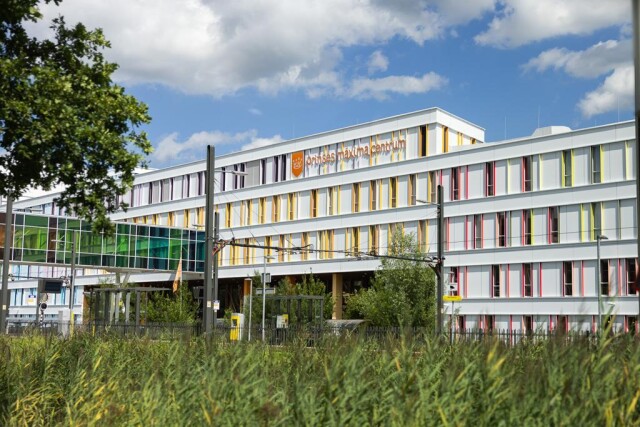
Máxima vooraanzicht gebouw 3

Princess Máxima Center for Pediatric Oncology

Grant and financial management

Utrecht

The Princess Máxima Center in Utrecht hosts the ORFeus coordination and provides grant management, financial administration, and organisational support for all network-wide activities, including the training programme.

Steering Committee

The Steering Committee meets quarterly to oversee operations, finances, and training across the network. It makes day-to-day decisions between annual Supervisory Board meetings and handles conflict resolution.

Supervisory Board

The Supervisory Board is the network’s primary decision-making body. It comprises all 15 principal investigators, representatives from the non-academic partners, and two elected doctoral researcher representatives. It meets annually to review research and training progress and approve strategic decisions.

External Advisory Board

An independent board of international experts from academia and industry meets annually to evaluate the network’s scientific progress and training impact, and to provide strategic recommendations. Members to be announced.

Innovation Committee

The Innovation Committee advises on intellectual property and the path from discovery to potential commercial application. It comprises three senior principal investigators, a representative from Oncode Institute, the network coordinator, and two doctoral researcher representatives elected annually.

Doctoral Candidate Board

All 15 doctoral researchers, once recruited, form the Doctoral Candidate Board. They elect representatives to the Supervisory Board and Innovation Committee, help shape the training programme, organise network-wide events, and provide feedback on supervision and training.

Oud blok PI profiles: niet meer in gebruik, mag verwijderd worden

Reuven Agami

Professor of Oncogenomics

Netherlands Cancer Institute (NKI-AVL) · Division of Oncogenomics · Amsterdam, Netherlands

Short bio

Reuven Agami is Professor of Oncogenomics at the Netherlands Cancer Institute in Amsterdam. He is known for developing widely used genetic tools for studying gene function, including the pSUPER RNA interference vector and miRNA expression vectors. His lab has long focused on the regulatory logic of cancer, from microRNAs and non-coding RNAs to the mechanisms that control gene expression in tumour cells. More recently, his group has shown that mRNA translation in cancer cells is far more disordered than in healthy cells, with amino acid deprivation driving codon reassignment and the production of aberrant proteins he has termed “substitutants.” In ORFeus, he supervises DC14 and co-supervises DC13.
Research interests

The Agami group studies how cancer cells manipulate gene expression, with a growing focus on translation. A central finding is that tumour cells under metabolic stress misread the genetic code, producing mutant-like proteins from normal mRNA sequences. The lab investigates how these aberrant proteins are processed and displayed to the immune system, and whether they could serve as targets for immunotherapy. The group uses genome-wide CRISPR screens, ribosome profiling, and functional genomics in cancer cell lines and patient-derived models.
Projects in ORFeus

M. Mar Albà

ICREA Research Professor

Hospital del Mar Research Institute (HMRIB-CERCA) · Evolutionary Genomics · Barcelona, Spain

Short bio

M. Mar Albà is an ICREA Research Professor at the Hospital del Mar Research Institute in Barcelona. She trained in biochemistry and bioinformatics and has spent much of her career studying how new genes arise and evolve. Her group was among the first to systematically investigate de novo gene birth from previously non-coding sequences, and she has contributed key insights into how evolutionary conservation can be used to predict which microproteins are likely to be functional. Her recent work has expanded into the role of microproteins as tumour-specific antigens. In ORFeus, she supervises DC8 and co-supervises DC7.

Research interests

Mar’s group combines evolutionary genomics, transcriptomics, and ribosome profiling to study the origins and functions of new genes and microproteins. The lab uses phylostratigraphy and cross-species comparative analysis to trace when microproteins first appeared in evolution and to assess which ones show signs of functional constraint. A current focus is on microproteins that are expressed specifically in tumour cells and may serve as cancer-specific antigens, connecting evolutionary biology directly to translational oncology.

Projects in ORFeus

Julie Aspden

Professor of RNA Biology

University of Leeds · Faculty of Biological Sciences · Leeds, UK

Short bio

Julie Aspden is Professor of RNA Biology at the University of Leeds, where she has led her own research group since 2015. She read Biochemistry at The Queen’s College, Oxford, and completed her PhD at the University of Cambridge on the initiation of mRNA translation. Her first postdoc, at the University of California, Berkeley, focused on alternative mRNA splicing in Drosophila, and her second, at the University of Sussex, defined novel regions of translation. She is the Principal Investigator of the RiboCode project on specialized ribosomes and co-founded Leeds Omics, a cross-faculty initiative in omics research. Her work is funded by the MRC, BBSRC, and the Royal Society. In ORFeus, she supervises DC7 and co-supervises DC9.

Research interests

Julie’s group studies how RNA is regulated and translated into protein. A central question is how events in the nucleus, such as splicing and RNA-protein interactions, shape what happens in the cytoplasm when ribosomes encounter the message. The group uses ribosome profiling, including Poly-Ribo-Seq (a method Julie developed to detect novel regions of translation), alongside molecular biology and genetics in both Drosophila and mammalian systems. Current work focuses on specialized ribosomes, the translation of long non-coding RNAs, and how disruptions to translational regulation contribute to disease.

Projects in ORFeus

Pasha Baranov

Professor of Biomolecular Informatics

University College Cork · School of Biochemistry and Cell Biology · Cork, Ireland

Short bio

Pasha Baranov is Professor of Biomolecular Informatics at University College Cork and a Member of the Royal Irish Academy. A chemist by training, he completed his PhD at Lomonosov Moscow State University and the Max Planck Institute for Molecular Genetics, studying ribosomal RNA topology. After several years at the University of Utah, where he pioneered comparative sequence analysis of genes that use alternative decoding mechanisms such as ribosomal frameshifting, he established his lab at UCC in 2007. He is co-developer of RiboSeq.Org, the main community platform for ribosome profiling data analysis and visualization, and has been a Wellcome Trust Investigator. In ORFeus, he supervises DC12 and co-supervises DC3.

Research interests

Pasha’s group studies the diversity of genetic decoding and the regulation of protein synthesis. The lab is known for its work on non-canonical translation events, including ribosomal frameshifting, stop codon readthrough, and non-AUG initiation. A major focus is developing and maintaining computational tools and data resources for the ribosome profiling community, including the RiboSeq.Org suite (GWIPS-viz, Trips-Viz, RiboGalaxy, and the Ribosome Data Portal). The group also studies how genetic variants affect translation and how these effects may be relevant in disease.

Projects in ORFeus

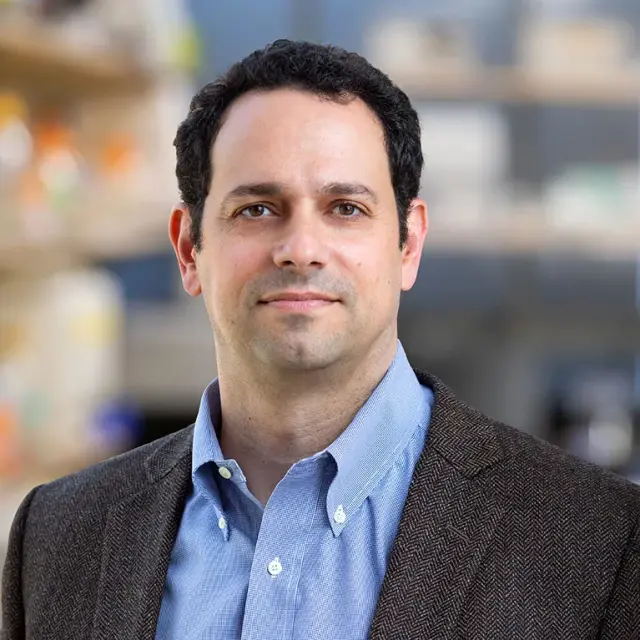
Michal Bassani-Sternberg

Associate Professor

University of Lausanne (UNIL) and Ludwig Institute for Cancer Research · Agora Cancer Research Centre · Lausanne, Switzerland
Short bio

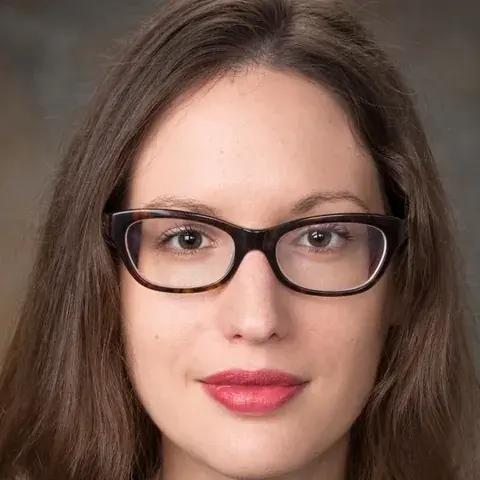
Michal Bassani-Sternberg is an Associate Professor in the Department of Oncology at the University of Lausanne and an Assistant Member of the Ludwig Institute for Cancer Research, Lausanne Branch. She heads the clinical mass spectrometry unit at the CHUV-UNIL Center of Experimental Therapeutics and leads the Hi-TIDe group (Human Integrated Tumor Immunology Discovery Engine) at the Agora Cancer Research Centre. Her group is a world leader in immunopeptidomics: the use of mass spectrometry to directly identify the peptides displayed on tumour cells for immune recognition. She developed the NeoDisc pipeline for personalized neoantigen identification and her work is central to several ongoing clinical vaccine trials. In ORFeus, she supervises DC15 and co-supervises DC14.
Research interests

The Bassani-Sternberg lab develops proteogenomic and mass-spectrometry-based approaches to identify clinically relevant cancer-specific HLA ligands. The group focuses on direct, unbiased identification of HLA-presented peptides from clinical tumour samples, including neoantigens, cryptic ORF-derived peptides, and post-translationally modified peptides. A key tool is NeoDiscMS, a real-time mass spectrometry acquisition method designed to increase the sensitivity of neoantigen detection from scarce patient material. The lab integrates immunopeptidomics with genomics and machine learning to prioritize targets for personalized cancer immunotherapy and vaccine design.

Projects in ORFeus

Jyoti Choudhary

Professor of Functional Proteomics

Institute of Cancer Research · Division of Cell and Molecular Biology · London, UK

Short bio

Jyoti Choudhary is Professor of Functional Proteomics and Head of the Proteomics Core Facility at the Institute of Cancer Research in London. She received her PhD in biological mass spectrometry from Imperial College London under Professor Howard Morris. Her early work focused on proteogenomics, where she used mass spectrometry to refine genome annotations in mammals and in the malaria parasite. She moved to the ICR in 2017, and is also a visiting scientist at Imperial College London and the Wellcome Sanger Institute. In ORFeus, she supervises DC4 and co-supervises DC5.

Research interests

The Choudhary group applies quantitative proteomics to understand how protein networks are organized and how they are rewired during cancer progression and resistance. The lab develops novel experimental and computational mass spectrometry approaches for proteome discovery, with expertise in protein interactions, signalling, post-translational modifications, and host-pathogen biology. In ORFeus, the group brings its proteomics and proteogenomics expertise to the challenge of detecting microproteins in the context of bacterial infection.

Projects in ORFeus

Simon Elsässer

Alexander von Humboldt Professor and Carl Zeiss Endowed Professor of Synthetic Biology

University of Freiburg · Centre for Integrative Biological Signalling Studies (CIBSS) · Freiburg, Germany

Short bio

Simon Elsässer is one of the world’s leading researchers in synthetic biology and epigenetics. He completed his doctorate at Rockefeller University in New York in the lab of C. David Allis, a pioneer of the histone code, and did his postdoc at the University of Cambridge. He established his own group at the Karolinska Institutet in Stockholm in 2015, where he was Associate Professor until 2025. He moved to the University of Freiburg in October 2025 as Alexander von Humboldt Professor and Carl Zeiss Endowed Professor of Synthetic Biology, with five million euros of Humboldt funding to strengthen Freiburg’s “Signals of Life” research focus. He is a member of the CIBSS Cluster of Excellence. In ORFeus, he supervises DC5 and co-supervises DC8.

Research interests

Simon’s group develops innovative methods in synthetic biology and chemical biology to study how cells interpret their genetic and epigenetic information. The lab has pioneered approaches for incorporating non-canonical amino acids into proteins in living mammalian cells, enabling precise labelling, crosslinking, and detection of proteins in their natural cellular environment. A recent focus is on microprotein discovery, including a large-scale screen to identify putative microproteins from small open reading frames. In ORFeus, his chemical biology expertise is applied to capturing secreted and diffusible microproteins that conventional methods miss.

Projects in ORFeus

Uwe Ohler

Professor of Computational Regulatory Genomics

Max Delbrück Center (MDC) · Berlin Institute for Medical Systems Biology (BIMSB) · Berlin, Germany

Short bio

Uwe Ohler is Professor and Group Leader at the Max Delbrück Center in Berlin, where he leads the Computational Regulatory Genomics lab at the Berlin Institute for Medical Systems Biology. He holds a joint appointment at Humboldt-Universität zu Berlin. He was awarded an ERC Advanced Grant to investigate how protein synthesis is regulated. His group was part of the international consortium that recently discovered more than 1,700 proteins in the human dark proteome, reported in Nature. He is co-leader, with Michal Bassani-Sternberg, of the proteogenomics work that identified non-canonical peptides in tumour immunopeptidomes. In ORFeus, he supervises DC2 and co-supervises DC1 and DC15.

Research interests

The Ohler lab develops and applies genomics and computational approaches to understand gene regulation in eukaryotic organisms, with a growing focus on translation. The group uses machine learning to make sense of large-scale functional genomics datasets, including ribosome profiling data. Recent work includes TESLA-seq, a method for identifying regulatory regions in the human genome, and models of how 5’ untranslated regions control translation efficiency. The lab leads the DFG-funded international research training group “Dissecting and Reengineering the Regulatory Genome” with Duke University.

Projects in ORFeus

Owen Rackham

Professor of Systems Biology

University of Southampton · School of Biological Sciences · Southampton, UK

Short bio

Owen Rackham is Professor of Systems Biology at the University of Southampton and Theme Lead for Cell and Molecular Medicine at the Alan Turing Institute. He completed his PhD in Complexity Sciences at the University of Bristol in 2012 and was an MRC Career Development Fellow at Imperial College London. He then moved to Duke-NUS Medical School in Singapore as a Senior Research Fellow before establishing his group at Southampton in 2020. His research combines artificial intelligence with high-throughput biology to understand health and disease, with a particular focus on cell reprogramming and disease-gene association. In ORFeus, he supervises DC1 and co-supervises DC6.

Research interests

Owen’s group builds computational tools that use AI and large-scale sequencing data to predict biological outcomes. The lab is known for its work on cell reprogramming, where it identifies key regulatory factors that control cell fate, and on disease-gene association using network analysis. In ORFeus, this expertise is applied to building AI models that predict which short open reading frames are genuinely translated across species and cell types. The group has recent work on making the most of ribosome profiling data for microprotein discovery, published with collaborators in the ORFeus network.

Projects in ORFeus

Danny Sahtoe

Group Leader

Hubrecht Institute (KNAW) · Utrecht, Netherlands

Short bio

Danny Sahtoe leads a research group at the Hubrecht Institute in Utrecht, part of the Royal Netherlands Academy of Arts and Sciences (KNAW). He trained with David Baker at the University of Washington, where he developed expertise in computational protein design, the field recognized by Baker’s 2024 Nobel Prize in Chemistry. His work focuses on designing entirely new protein molecules from scratch for biomedical applications, including novel protein assemblies and tools for studying cellular processes. In ORFeus, he supervises DC6 and co-supervises DC10.

Research interests

Danny’s group uses computational protein design (including AlphaFold3 and RoseTTAFold-based approaches) to create synthetic proteins that can selectively bind biological targets. In ORFeus, this is applied to designing binders for microproteins: once a new microprotein is identified by the network, the Sahtoe group designs synthetic molecules that bind it and can switch its activity on or off, providing a direct route from discovery to functional characterization. The lab combines computational design with biophysical validation and cellular assays.

Projects in ORFeus

Nicola Ternette

Professor of Antigen Discovery

University of Dundee · School of Life Sciences · Dundee, UK

Short bio

Nicola Ternette is Professor of Antigen Discovery at the University of Dundee, where she leads the Antigen Discovery Group. She studied Physics and Biochemistry at the Universities of Bonn, Greifswald, and Bochum, and completed her PhD at the Institute for Molecular and Medical Virology in Bochum on DNA vaccines for respiratory viruses. She then moved to the University of Oxford, where she specialized in HLA-associated peptidomics and the identification of viral and tumour antigens using mass spectrometry. She founded the Antigen Discovery Group in 2015 and moved it to Dundee in 2024. She is elected chair of the HUPO Immunopeptidomics Initiative. In ORFeus, she supervises DC11.

Research interests

The Ternette group focuses on decoding the antigenic landscape that shapes immune recognition in infection, cancer, and autoimmunity. The lab uses high-resolution mass spectrometry to identify HLA-presented peptides and has developed deep expertise in immunopeptidomics, leveraging machine-learning-assisted algorithms and custom bioinformatics tools to uncover novel targetable antigens. Current work spans profiling immunopeptidomes in viral infection (particularly HPV-driven cancers), characterizing self-antigens in autoimmune diseases, and understanding drug-immune recognition.

Projects in ORFeus

Eivind Valen

Professor

University of Oslo · Department of Biosciences · Oslo, Norway

Short bio

Eivind Valen is Professor at the University of Oslo, where he leads the RNA Biology and Translational Regulation group. He was previously an associate group leader at the Sars International Centre for Marine Molecular Biology in Bergen. His work sits at the intersection of computational genomics, translation biology, and method development. He is a co-developer of RiboSeq.Org, the main community platform for ribosome profiling data, and of CHOPCHOP, one of the most widely used tools for CRISPR guide RNA design. His work has been cited over 19,000 times. In ORFeus, he supervises DC3 and co-supervises DC2.

Research interests

Eivind’s group develops both experimental and computational methods for studying translation. On the experimental side, the group introduced RCP-seq for mapping scanning ribosomes across the transcriptome and SMS-seq for single-molecule RNA structure analysis. On the computational side, it has built ORFik (a framework for analysing ribosome profiling data), RiboCrypt (an interactive browser for exploring that data), and tailfindr (for estimating poly-A tails from nanopore sequencing). A major current focus is aggregating thousands of public ribosome profiling datasets to detect translation events too rare or condition-specific to appear in any single experiment.

Projects in ORFeus

Petra van Damme

Professor

Ghent University · Department of Biochemistry and Microbiology · Ghent, Belgium

Short bio

Petra van Damme is Professor at Ghent University, where she leads the iRIP (intracellular Riboproteogenomics and Infection Proteomics) unit at the Laboratory of Microbiology. Her research lies at the intersection of microbiology and proteomics, with a focus on understanding bacterial infection biology at the protein level. The group has developed novel proteogenomics approaches for studying bacterial pathogens in the context of their host cells, addressing the technical challenge that the host proteome vastly outnumbers the pathogen’s. In ORFeus, she supervises DC10 and co-supervises DC4.

Research interests

The van Damme group studies bacterial infection biology, host-microbe interactions, and the unexplored complexity of bacterial proteomes. The lab uses advanced mass spectrometry including thermal proteome profiling (TPP) to map how protein stability and interactions change under different conditions. A key interest is the functional characterization of bacterial microproteins, small proteins that are increasingly recognized as important regulators of microbial biology but remain poorly characterized. The group uses Salmonella enterica as its main model system and develops workflows that can be reused by others in the field.

Projects in ORFeus

Sebastiaan van Heesch

Senior Group Leader

Princess Máxima Center for Pediatric Oncology · Research · Utrecht, Netherlands

Short bio

Sebastiaan van Heesch is a Senior Group Leader at the Princess Máxima Center for Pediatric Oncology in Utrecht and an Oncode Investigator. His group has been at the forefront of identifying microproteins in human development and childhood cancer, combining ribosome profiling with proteomics and proteogenomics. He was a founding member of the TransCODE consortium, which produced the first community-driven consensus catalog of human microproteins and recently proposed the concept of “peptideins” as a new class of gene products. He coordinates the ORFeus network, supervises DC13 and co-supervises DC11.

Research interests

The van Heesch group studies the dark proteome in the context of childhood cancer. Using ribosome profiling and mass spectrometry, the lab identifies proteins translated from previously unannotated regions of the genome and investigates their roles in tumour biology. A current focus is on how metabolic stress in the tumour microenvironment, particularly amino acid deprivation, drives non-canonical translation and the production of aberrant proteins that may serve as immune targets. The group works closely with the ILLUMINE Cancer Grand Challenges consortium on mapping the dark proteome’s role in cancer.

Projects in ORFeus

Alexander van Oudenaarden

Director and Professor

Hubrecht Institute (KNAW) · Utrecht, Netherlands

Short bio

Alexander van Oudenaarden is Director of the Hubrecht Institute in Utrecht and Professor of Quantitative Biology at Utrecht University. He is a pioneer of single-cell genomics and has been awarded a Spinoza Prize, three ERC Advanced Grants, and an HHMI International Research Scholar Award. Originally trained as a physicist, he applies quantitative approaches to understand how individual cells make decisions during development and disease. His lab at the Hubrecht Institute has developed foundational single-cell RNA sequencing methods that are now used worldwide. In ORFeus, he supervises DC9 and co-supervises DC12.

Research interests

The van Oudenaarden group develops and applies single-cell genomic technologies to study gene expression and cell fate. The lab combines physics-inspired quantitative models with high-throughput sequencing to understand how noise and variability in gene expression influence development and disease. In ORFeus, this expertise is applied to studying translation at the single-cell level, combining CRISPR editing with single-cell ribosome profiling to understand how individual cells regulate the translation of small open reading frames.

Projects in ORFeus